India Celebrates Maha Shivratri Nationwide
Millions observe fasts, night vigils and sacred rituals at Jyotirlingas and Shiva shrines as India celebrates Maha Shivratri, seeking Lord Shiva's blessings for prosperity and spiritual renewal.
MAHA SHIVRATRI SPECIAL REPORT– India erupted in devotion as Maha Shivratri celebrations began across temples, ghats and households, with lakhs converging at sacred Shiva shrines for night-long jagarans, ritual fasts and elaborate puja ceremonies honouring Lord Shiva’s Tandava dance of creation and destruction.

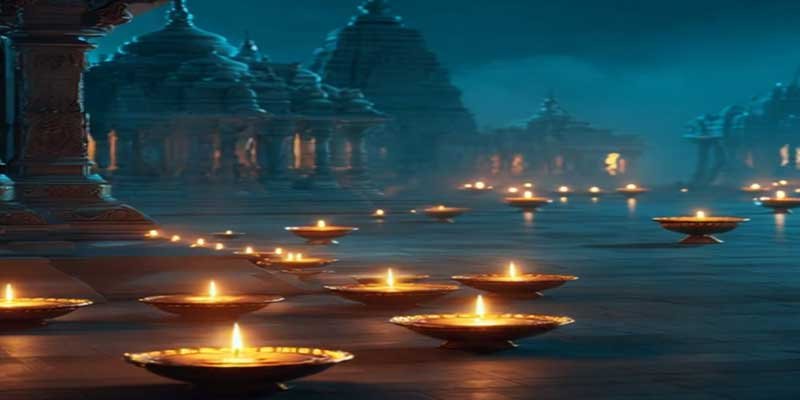
Ujjain’s Mahakaleshwar Jyotirlinga witnessed unprecedented crowds for the pre-dawn Bhasma Aarti, where priests apply sacred ash amid powerful drumbeats and conch calls, drawing pilgrims from across states despite tightened security and crowd management. Varanasi’s Kashi Vishwanath Corridor overflowed with devotees offering milk, Bel Patra, Dhatura and Bhaang to the Shivling, while Haridwar and Rishikesh hosted spectacular Ganga Aartis along the riverbanks with thousands of diyas illuminating the night.
In Northeast India, Arunachal Pradesh’s Parshuram Kund blended tribal traditions with Shaivite rituals, featuring war dances and community feasts. Assam’s Kamakhya and Umananda Temple observed Shiva-Shakti union ceremonies, while South India’s Tamil Nadu temples conducted Theerthavari processions carrying Shiva icons through decorated streets. Pashupatinath Temple in Nepal also drew Indian pilgrims across the border.
Watch Video


Key rituals included Kanwar Yatras where barefoot devotees carried Gangajal pots, midnight Rudrabhishek with 11 pitchers pouring over Shivlings, and Mahamrityunjaya Mantra chanting recitals. Married women prayed for marital bliss, youth sought career success, and families distributed prasad after breaking dawn fasts. Eco-conscious celebrations promoted plastic-free events and river conservation drives at major ghats.
Maha Shivratri, falling on Krishna Paksha Chaturdashi of Phalguna month, holds profound significance across Shaiva, Shakta and Smarta traditions. Legends commemorate Shiva consuming Halahal poison during Samudra Manthan to save creation, and his divine marriage to Parvati after ascetic penance. Temples remained open 24 hours with special aartis at midnight, 4 a.m., and sunrise, while digital platforms streamed live darshans reaching millions unable to attend physically.
Authorities deployed elaborate security arrangements at 12 Jyotirlingas and major temples, with Uttarakhand police managing lakhs of Kanwariyas on mountain routes. The festival underscores national unity through shared devotion, with diverse communities—from Kashmir’s Amarnath Yatris to Kerala’s coastal Shiva temples—joining the cosmic celebration of destruction-renewal cycles.