
Italian Report Fuels New Debate on AI171 Crash Cause
Western media reports citing investigative sources claim no technical failure caused the 2025 Air India Flight 171 crash, intensifying legal and industry debates ahead of the final probe report.
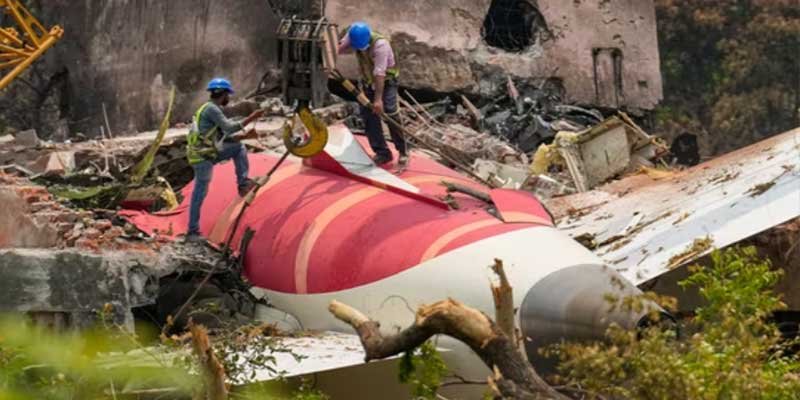
NEW DELHI- Fresh controversy has emerged over the investigation into the June 12, 2025 crash of Air India Flight 171 after an Italian newspaper, citing Western aviation sources, reported that Indian investigators may conclude that no technical malfunction caused the disaster that killed 260 people when the aircraft struck a medical hostel shortly after takeoff from Ahmedabad.

According to the report, analysis of flight data and cockpit voice recordings allegedly indicates that one pilot moved critical fuel control switches from “RUN” to “CUTOFF,” leading to the loss of thrust in both engines. The claims suggest that while First Officer Clive Kunder attempted to climb, Captain Sumeet Sabharwal may have altered the switches. Audio excerpts referenced in media reports describe one pilot questioning why the engines stopped and receiving a denial from the other, though the official transcript has not been publicly released.
Also Read- Manipur: Arson, Gunfire Reported in Ukhrul, Internet Suspended
The Aircraft Accident Investigation Bureau’s preliminary findings had earlier confirmed that both engines lost power seconds after liftoff when the switches moved to cutoff, but the report did not assign responsibility or identify a definitive cause.


The new claims have triggered strong reactions from pilots’ associations and the family of the deceased captain, who have rejected any suggestion of intentional action and demanded a court-monitored or independent investigation. Critics argue that selective leaks risk prejudicing public opinion before the final report is released.
Also Read- Assam Final SR 2026 Voter List: How to Check Name Online
Legal pressure surrounding the probe has also intensified. India’s Supreme Court is hearing petitions seeking greater transparency and questioning whether the official investigation sufficiently examines all possible factors, including airline procedures and aircraft systems.
Sceptics, including some aviation observers, have questioned whether emerging narratives could shift focus away from systemic issues involving manufacturers or operational oversight. The US National Transportation Safety Board has cautioned that Western media reports attributing blame remain “premature and speculative” while the investigation continues.
Also Read- Manipur: Houses Burn as Tension Flares in Ukhrul
The crash — the deadliest aviation disaster of the decade — involved a Boeing 787-8 Dreamliner bound for London that remained airborne for only about 32 seconds before crashing into the B.J. Medical College hostel complex, killing passengers, crew, and people on the ground.
Government officials have previously told the Supreme Court that the preliminary AAIB report assigned no blame to any individual, underscoring that the investigation remains ongoing.
As anticipation builds for the final report, the unfolding dispute highlights broader tensions within aviation accident investigations, where technical findings, legal scrutiny, and public narratives often intersect.