CWRC Enters 25th Year After More Than 10,000 Wildlife Rescues in Assam
The Centre for Wildlife Rehabilitation and Conservation near Kaziranga has responded to over 10,000 wildlife rescue cases, with nearly 68% successfully treated and released into the wild.
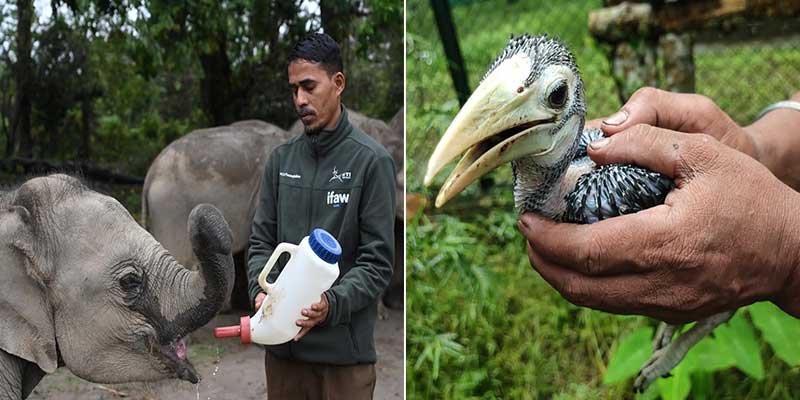
KAZIRANGA- The Centre for Wildlife Rehabilitation and Conservation (CWRC) in Assam has entered its 25th year of conservation service after responding to more than 10,000 wildlife rescue cases, with nearly 68 per cent of the animals successfully treated and released back into the wild.

Located at Panbari near Kaziranga National Park & Tiger Reserve, CWRC was established on August 28, 2002, as India’s first dedicated facility focused on hand-raising, treating and rehabilitating orphaned and injured wild animals before returning them to their natural habitats. The centre has since developed into a major institution for science-led wildlife conservation.
CWRC is jointly run by the Assam Forest Department and Wildlife Trust of India (WTI) in partnership with the International Fund for Animal Welfare (IFAW). Along with two Mobile Veterinary Service (MVS) units, its operations extend across eastern and western Assam.
Also Read- Bomb Blast at BJP MLA Sapam Ranjan Singh’s Residence in Manipur, No Injuries


The scale of its work is reflected in the more than 10,000 rescue cases handled by CWRC and its allied MVS units since their inception. Nearly 68 per cent of those cases have resulted in successful treatment and release, according to the organisation.
Rescue work extends beyond emergencies
CWRC’s role extends beyond treating injured animals. Its teams work alongside the Assam Forest Department during floods to rescue wildlife that has been stranded, injured or displaced.
The teams provide emergency veterinary care and, wherever possible, work to reunite young animals with their mothers. Flood response has become a significant component of the centre’s conservation work given the recurring impact of flooding on wildlife habitats in Assam.
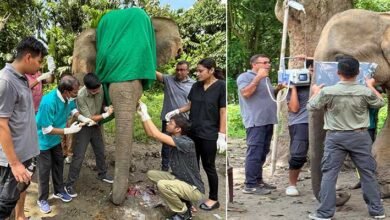
Also Read- Assam Elephant Mangal Singh Undergoes Critical Dental Procedure After Poachers Hack Off Tusks
The centre also works with local communities through outreach programmes aimed at reducing human-animal conflict and strengthening community-led conservation efforts.
Reintroduction and species rehabilitation
Over the past 25 years, CWRC has contributed to several significant conservation programmes.
Since 2006, the centre has played a role in the reintroduction of rhinos into Manas National Park through the rehabilitation of rescued animals. Its other notable interventions include the rehabilitation of Asiatic black bear cubs in Manas and Dihing Patkai National Park, rescued wild buffalo in Dibru-Saikhowa National Park and Laokhowa and Burachapori Wildlife Sanctuaries, as well as rescued hoolock gibbons and other important wildlife species.
Also Read- Manipur: Large Cache of Weapons Seized in Kangpokpi and Imphal East
The institution has also evolved into a training facility for wildlife rescue veterinarians, biologists and conservation practitioners, extending its role from direct rescue and rehabilitation to building professional capacity in wildlife conservation.
Looking beyond the milestone
As it enters its 25th year, CWRC says it is preparing to transform itself into one of India’s leading institutes and Centres of Excellence in wildlife rescue and rehabilitation.
Kaziranga Field Director Dr. C Ramesh, IFS, described CWRC’s contribution to rescuing and rehabilitating Assam’s wildlife as invaluable, particularly its ability to respond quickly to animals in distress. He said the institution has also strengthened the state’s capacity to manage human-wildlife interactions.
WTI Joint Director Rathin Barman described the 25-year journey as one built on compassion, science and partnership, while reiterating the organisation’s commitment to wildlife protection, community support and giving rescued animals the best possible opportunity to return to their natural habitat.
CWRC Centre Manager and lead veterinarian Dr. Bhaskar Choudhury said the centre’s journey had been shaped by continuous learning, scientific approaches and community participation, while acknowledging the support of government agencies, institutions and local communities.
The milestone highlights the evolution of wildlife rescue in Assam from emergency intervention to a broader conservation model combining rescue, veterinary care, rehabilitation, reintroduction, scientific research, training and community engagement.