Sonam Wangchuk on Day 4 of Indefinite Hunger Strike at Jantar Mantar Over NEET Irregularities
Renowned climate activist, education reformer, and Ladakh native Sonam Wangchuk, aged 59, continues his indefinite hunger strike at Delhi’s Jantar Mantar,
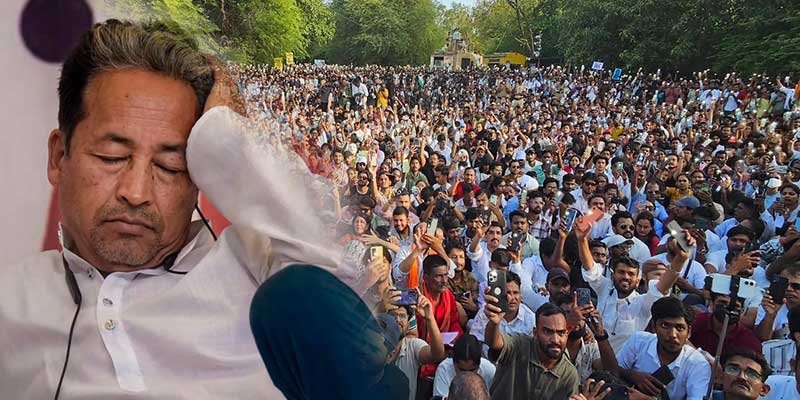
NEW DELHI— Renowned climate activist, education reformer, and Ladakh native Sonam Wangchuk, aged 59, continues his indefinite hunger strike at Delhi’s Jantar Mantar, now entering its fourth day. He joined the student-led sit-in protest organized by the Cockroach Janta Party (CJP) on June 28, sustaining himself only on water, salt, and minerals.

Wangchuk’s fast demands strong accountability for the NEET-UG 2026 paper leak scandal and other exam irregularities that have affected millions of students, including reports of multiple student deaths and suicides linked to the controversy.
He has called for the resignation of Union Education Minister Dharmendra Pradhan, alongside broader reforms to India’s examination system and attention to long-pending issues concerning Ladakh’s environment, culture, and constitutional safeguards.
Also Read- Fresh Violence Erupts in Manipur’s Kamjong

Today’s Health Update (July 1)On Day 4, Wangchuk reported losing approximately 2 kg and feeling tired, though he described himself as “fine now” and determined to continue.
Medical checks revealed lowered blood sugar levels (reported around 66 mg/dL in some updates) and low blood pressure (around 100/67). Doctors advised him to increase his intake of water and salt.
CJP founder Abhijeet Dipke and supporters have expressed concern over the activist’s condition but noted Wangchuk’s resolve remains strong. He has previously indicated willingness to sustain the fast for up to six weeks or longer if necessary, stating he is prepared for extreme outcomes to press for systemic change.
Also Read- Jaipur Police Bust Paramedical Exam Cheating Racket
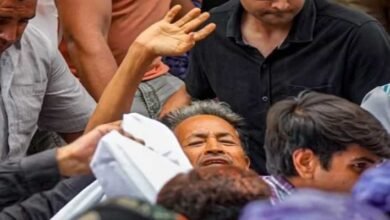
The protest site at Jantar Mantar has seen sustained participation from students, activists, and supporters amid the ongoing CJP sit-in, which highlights frustrations over repeated exam leaks, lack of transparency, and calls for the Education Minister’s exit.
Wangchuk’s involvement has amplified the movement, drawing wider attention to youth concerns regarding education and governance.
No immediate government response to the specific demands has been reported as the fast continues. Supporters are being urged to show solidarity through visits to the site or one-day symbolic fasts in their localities.
Wangchuk, known for his innovative work in education and environmental advocacy in the Himalayas, has undertaken multiple fasts in the past for Ladakh-related causes. His current action underscores the intersection of education justice and regional issues in national discourse. The situation is being closely monitored as the protest enters its next phase.